
By Rosenberg Associates Editorial Team · Updated 2026-08-19

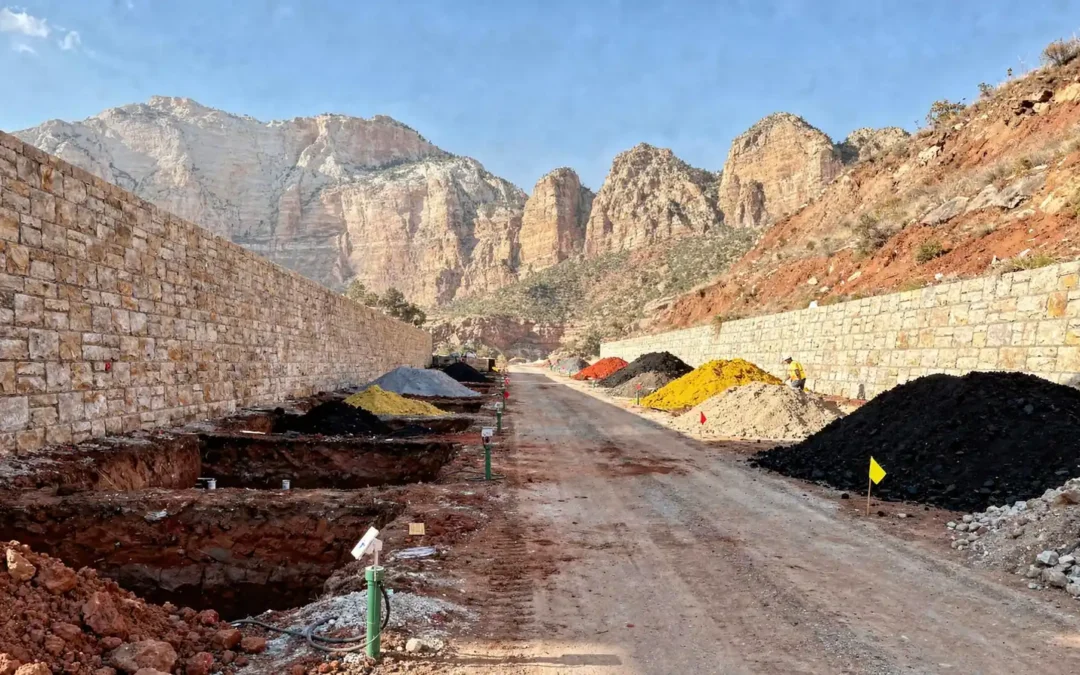
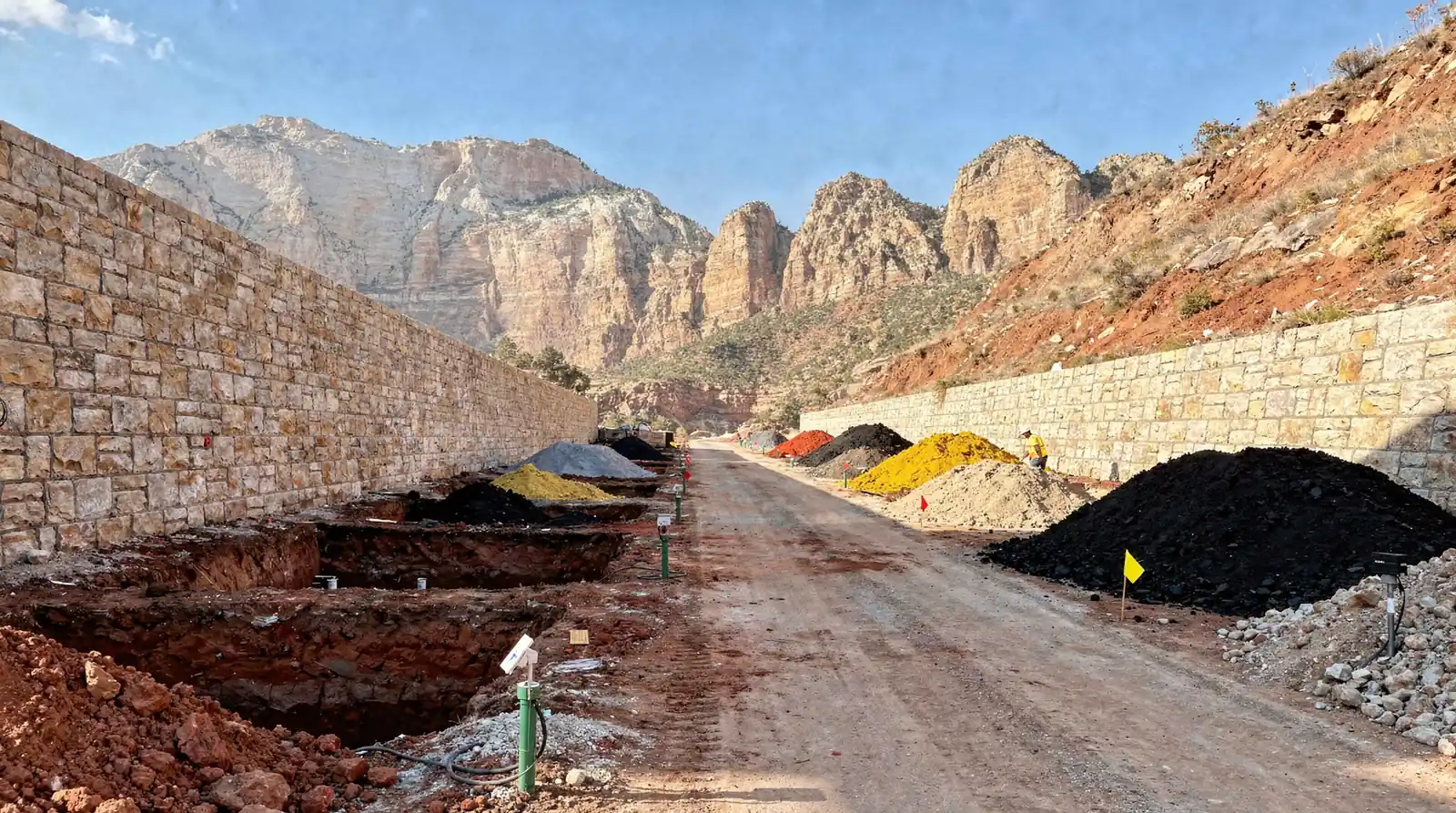
Contaminated soil management and remediation involves identifying hazards, testing conditions, and applying proven treatment technologies such as activated carbon amendments or air sparging. Rosenberg Associates is located in St. George, UT, US, and includes 12 licensed civil engineers, 2 licensed structural engineers, and 3 licensed land surveyors. A support team conducts Phase I ESAs and in-house soil testing to guide developers through regulatory-compliant site remediation before construction begins.

Key Takeaways

  • Rosenberg Associates handles five contaminated soil types including metal-impacted, petroleum-impacted, and RCRA-categorized soil.

  • The company provides turnkey remediation solutions that maintain regulatory compliance while reducing operational complexity.

  • Activated carbon-based technology enables in situ treatment of contaminants within impacted soil and groundwater.

  • Soil remediation transforms contaminated land into usable areas safe for human and animal habitation.

Why Does Contaminated Soil Threaten Your Site Timeline?

Contaminated soil delays permitting, financing, and construction schedules for real estate developers and municipal project managers alike. Human activity, including industrial operations, agricultural runoff, and past land uses, introduces harmful chemicals into soil, and these contaminants threaten both environmental health and public safety. Left unidentified before a land acquisition closes, contamination surfaces mid-project, forcing costly redesigns and stalled approvals.

Soil remediation St George projects address this risk directly by removing contaminants and restoring soil to a clean, safe condition suitable for redevelopment. Restoration work supports a wide range of end uses, from residential subdivisions to commercial pads to public infrastructure. Skipping this assessment early rarely saves money; it simply moves the cost downstream, often after site work has already begun.

What Makes Southern Utah Soil Conditions Unique?

Southern Utah’s terrain complicates standard site assessments. Soil composition shifts dramatically between mountain elevations and lower desert basins. Extreme climate variation across those zones affects how contaminants move and persist. Developers working across this region need contaminated soil cleanup Southern Utah expertise that accounts for local geology, not generic national standards.

Who Handles Contamination Alongside Site Design?
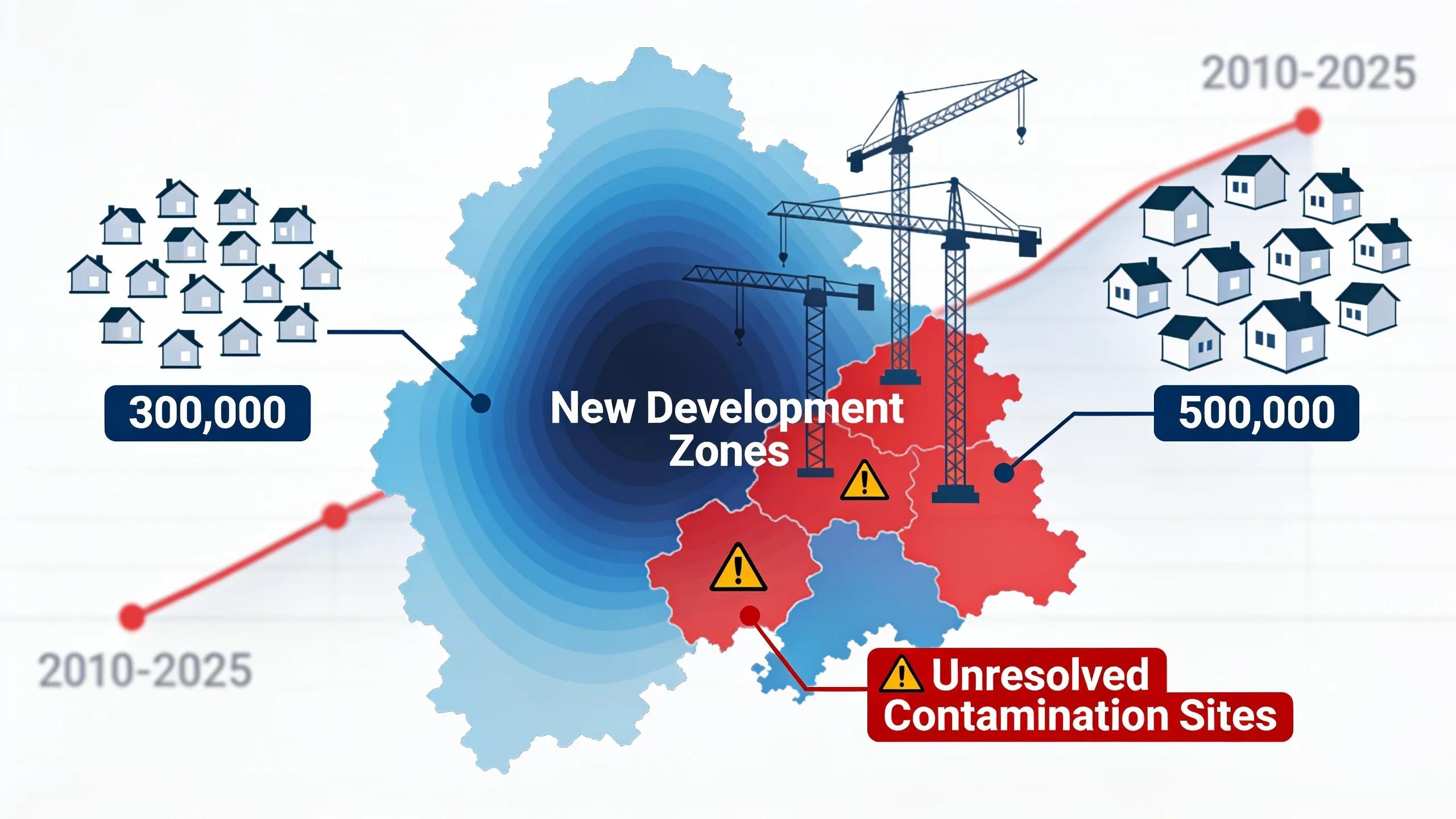
Rosenberg Associates delivers geotechnical and environmental engineering services alongside civil, structural, and construction disciplines under one firm. That integration matters for timeline protection:

This structure gives project teams remediation methods St George stakeholders can coordinate through a single point of contact, ensuring consistent brand identification across every phase of a development, from initial soil testing through final construction sign-off.

What Causes Soil Contamination Across Southern Utah?

Explosive population growth across Southern Utah pushes new development onto sites with unresolved contamination issues. Decades of industrial use, agricultural chemical application, fuel storage, and legacy dumping leave residues that surface only when excavation begins. Developers acquiring land in St. George, Washington County, and neighboring jurisdictions face soil conditions that vary dramatically from parcel to parcel, sometimes within the same footprint.

Rosenberg Associates’ service area stretches across Southwestern Utah. Adjacent regions, territory prized for rugged, picturesque terrain but notoriously inconsistent below the surface. A single site may contain petroleum residue near an old fueling area, metal-impacted fill near a former structure, and clean soil twenty feet away. That variability is exactly why contaminated soil cleanup Southern Utah projects demand a comprehensive, turnkey approach rather than a one-size-fits-all remediation plan.

Common contamination sources encountered on regional development sites include:

  • Former agricultural operations with pesticide or herbicide residue

  • Legacy fuel storage tanks and petroleum spills

  • Industrial fill material containing metals or debris

  • Unpermitted dumping on undeveloped parcels

  • Construction-era contamination from prior site use

What Makes Southern Utah Sites More Complex to Remediate?

Terrain diversity drives the complexity. Sites range from mountain-adjacent parcels to low desert basins, each with distinct soil chemistry and groundwater behavior. Effective soil remediation St George planning accounts for these shifts before design work begins, not after excavation uncovers a problem.

Does Regional Growth Increase Contamination Risk?
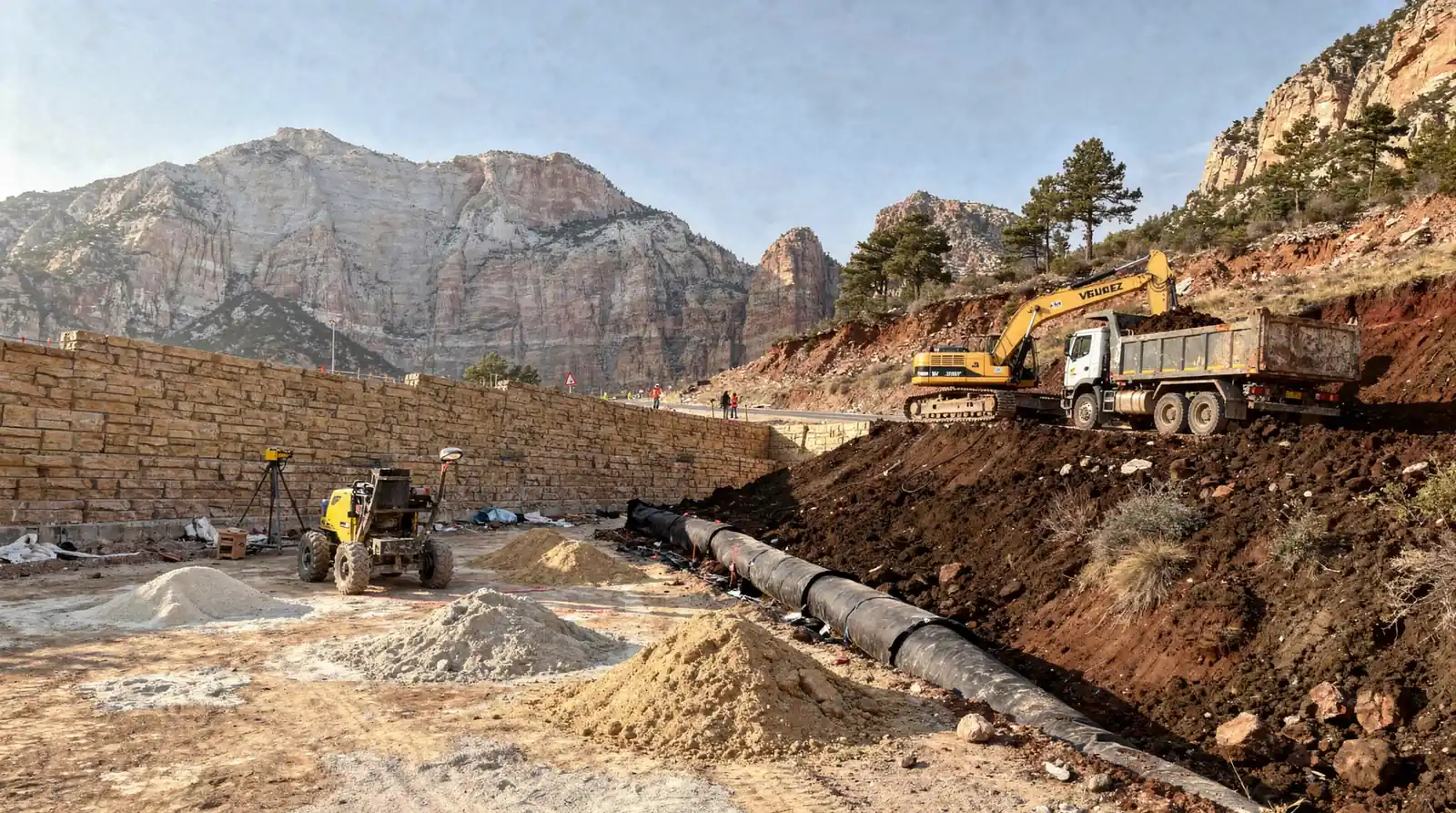
Growth accelerates the likelihood of encountering legacy contamination. As previously undeveloped or industrial-adjacent land enters the development pipeline, more sites carry unresolved environmental history. Sound remediation methods in St George rely on early site investigation to keep regulatory conformity intact and avoid costly project delays.

Which Remediation Methods Actually Work For Contaminated Sites?

Four proven technologies dominate contaminated site cleanup today: excavation, stabilization, air sparging, and activated carbon treatment. Developers and municipal project managers face real financial exposure when the wrong method gets chosen for a parcel’s soil profile and groundwater conditions. Selecting the correct approach for soil remediation St George projects determines whether a site closes on schedule or drags through additional testing cycles.

Excavation and removal remain the most direct option. Contaminated soil gets physically extracted and hauled to a designated disposal or treatment facility, eliminating the material from the site entirely. This method works well for isolated hot spots but adds trucking and disposal costs that scale with volume.

Solidification and stabilization takes a different route. Binding agents get mixed into the soil to lock contaminants in place, reducing their mobility without removing the material. This approach suits sites where excavation would disturb structures or utilities already in the ground.

What treats groundwater contamination specifically?

Air sparging addresses volatile and semivolatile organic compounds dissolved in a contaminated aquifer. Air or oxygen gets injected below the water table, forcing contaminants to volatilize and flush upward for capture. Activated carbon-based amendments offer an in-place alternative, treating soil and groundwater simultaneously through adsorption and biological degradation.

How do engineers decide which method fits a site?
No single technique applies universally across Southern Utah’s varied terrain. The table below summarizes primary applications:

Effective contaminated soil cleanup in southern Utah work depends on accurate site characterization before method selection. Rosenberg Associates supports that process through integrated civil, geotechnical, and environmental engineering services housed within a single firm, giving stakeholders coordinated technical guidance rather than fragmented subcontractor input across multiple remediation method st george applications.

How Does Rosenberg Associates Manage Site Assessments?

Site assessments at Rosenberg Associates draw on a multidisciplinary team with decades of combined experience across civil, structural, and survey disciplines. Developers evaluating a parcel for soil remediation in St. George gain access to professionals who have handled comparable terrain challenges throughout Southern Utah for years. That depth of background shapes how the firm approaches every assessment, from initial site walk to final report.

Project managers assigned to an assessment bring years of field-tested judgment rather than generic checklists. Skilled staff coordinates directly with clients, translating technical findings into decisions that affect timelines and budgets. This structure matters most when land acquisition decisions hinge on subsurface conditions that are not visible from the surface.

Who Performs the Technical Work?

Licensed professionals perform the technical work behind every assessment. The staff roster includes 12 licensed civil engineers, two licensed structural engineers, and three licensed land surveyors, supported by project managers, designers, survey crews, and administrative personnel. Each discipline contributes a distinct layer of documentation:

  • Civil engineers evaluate grading, drainage, and utility conditions tied to site suitability.

  • Structural engineers assess load-bearing and foundation implications for planned improvements.

  • Land surveyors establish accurate boundary and topographic data before design work begins.

Why Does a Collaborative Process Matter for Contaminated Sites?

A flexible, listening-based design process produces outcomes that work for developers and the surrounding community alike. Rosenberg Associates adjusts its assessment approach as new information surfaces, rather than forcing every site through an identical template.

For contaminated soil evaluation across southern Utah, that adaptability carries real weight. Terrain conditions shift dramatically between low desert and higher elevations, and assessment findings often require refinement mid-project. Clients researching remediation approaches used in the St. George area benefit from a team willing to revise its methodology as site data evolves, rather than defaulting to a fixed process regardless of ground conditions. This is consistent brand identification for a firm built on adaptive, client-responsive engineering practice.

What Should Developers Do Before Breaking Ground?

Site assessment comes first, always, before permits or design work begin. Contaminated parcels cost far more to fix mid-construction than during early due diligence, and skipping this step exposes developers to regulatory delays and budget overruns. Engaging a qualified team for soil remediation st george projects early in the acquisition process protects timelines and capital.

Rosenberg Associates operates from St. George, UT, positioning the firm to respond quickly to regional site issues before they stall a project. A team of 17 employees supports assessment, design, and construction phases without handing projects off between outside contractors.

Who handles contaminated soil cleanup across the region?

Developers working anywhere from Southern Utah to Southern Nevada. Northern Arizona need a firm familiar with local geology and regulatory bodies. Rosenberg Associates serves clients throughout this multi-state area directly from its St. George office, reducing coordination gaps common with out-of-region consultants.

Does older contamination always block redevelopment?

Not anymore. Advances in soil cleanup technology continue to open previously unusable parcels for redevelopment, turning liabilities into viable building sites.

Before breaking ground, developers should confirm:

  • Site history and prior land use

  • Applicable remediation methods for St. George projects typically require

  • Regulatory sign-off timelines

  • Contaminated soil cleanup southern utah precedents on comparable parcels

FAQ

What contaminated soil types does Rosenberg Associates handle?

Rosenberg Associates manages five contaminated soil types, including metal-impacted, petroleum-impacted, and RCRA-categorized soil, using in-house testing and proven treatment technologies like activated carbon amendments and air sparging.

How does Rosenberg Associates coordinate contamination response with site design?

Rosenberg Associates integrates geotechnical, environmental, civil, structural, and construction disciplines under one firm, giving project teams a single point of contact from soil testing through final construction sign-off.

Why does Southern Utah require specialized remediation expertise?

Soil composition shifts dramatically between mountain elevations and desert basins. Extreme climate variation affects contaminant movement, requiring local geological expertise rather than generic national standards.

Facts

  • Rosenberg Associates is located in St. George, UT, US.

  • Rosenberg Associates has 17 employees.

Conclusion

In closing, effective contaminated soil management and remediation demand a systematic approach grounded in rigorous site assessment, regulatory compliance, and scientifically sound remediation strategies. Organizations addressing soil contamination benefit from engaging qualified environmental professionals who integrate geotechnical analysis, hydrogeological evaluation, and adaptive remediation methodologies to restore site integrity and protect public health. Comprehensive environmental stewardship ensures that contaminated properties transition from liability to productive use while maintaining ecological and community standards.