

How to Hire a Licensed Structural Engineer for Residential Construction in Southern Utah

By RA Civil, Rosenberg Associates

Engaging a licensed structural engineer for residential construction in Southern Utah requires clear definition of project objectives, verification of professional credentials, and compliance with local regulatory requirements. This guide outlines the services typically provided by structural engineers and the evaluation criteria necessary to select an appropriate practitioner. It covers the full hiring process—from specifying project requirements to confirming licensure—and emphasizes the role of collaboration and structured communication in meeting safety and building standards.

Key Takeaways

  • Hiring a licensed structural engineer ensures residential construction in Southern Utah meets safety and building standards.
  • Identify your project needs clearly to select an engineer with relevant expertise and experience.
  • Verify engineers' qualifications, including a Bachelor’s degree and a Professional Engineer (P.E.) license.
  • Assess candidates’ experience with similar residential projects and knowledge of local building codes.
  • Consultations help evaluate engineers’ communication skills and problem-solving approaches for your project.
  • Review detailed proposals and check references to compare services, costs, and client satisfaction.
  • Formalize agreements with clear contracts outlining scope, timelines, payment, and liability terms.
  • Maintain ongoing communication with your structural engineer to address issues and ensure project progress.
  • Structural engineering services in Southern Utah include design consultation, site surveying, and compliance checks.

To hire a licensed structural engineer for residential construction in Southern Utah, consider the following steps and qualifications:

Selecting a structural engineer extends beyond engagement; it is a risk-management decision that affects structural performance and regulatory compliance. The following steps provide a methodical process for hiring a licensed structural engineer.

Identify Your Needs

Define the project scope and technical requirements prior to candidate selection. Determine whether the assignment requires foundation design, structural analysis, code compliance review, geotechnical coordination, or site surveying. If the project includes atypical architectural elements or site-specific geological constraints, prioritize engineers with demonstrable experience addressing equivalent conditions.

Research Licensed Engineers

Conduct targeted research using professional directories, local engineering organizations, and verified client referrals to compile a shortlist. Examine portfolios and project summaries to assess technical competence and sector-specific experience, with emphasis on residential work comparable in scope and complexity to your project.

Check Qualifications

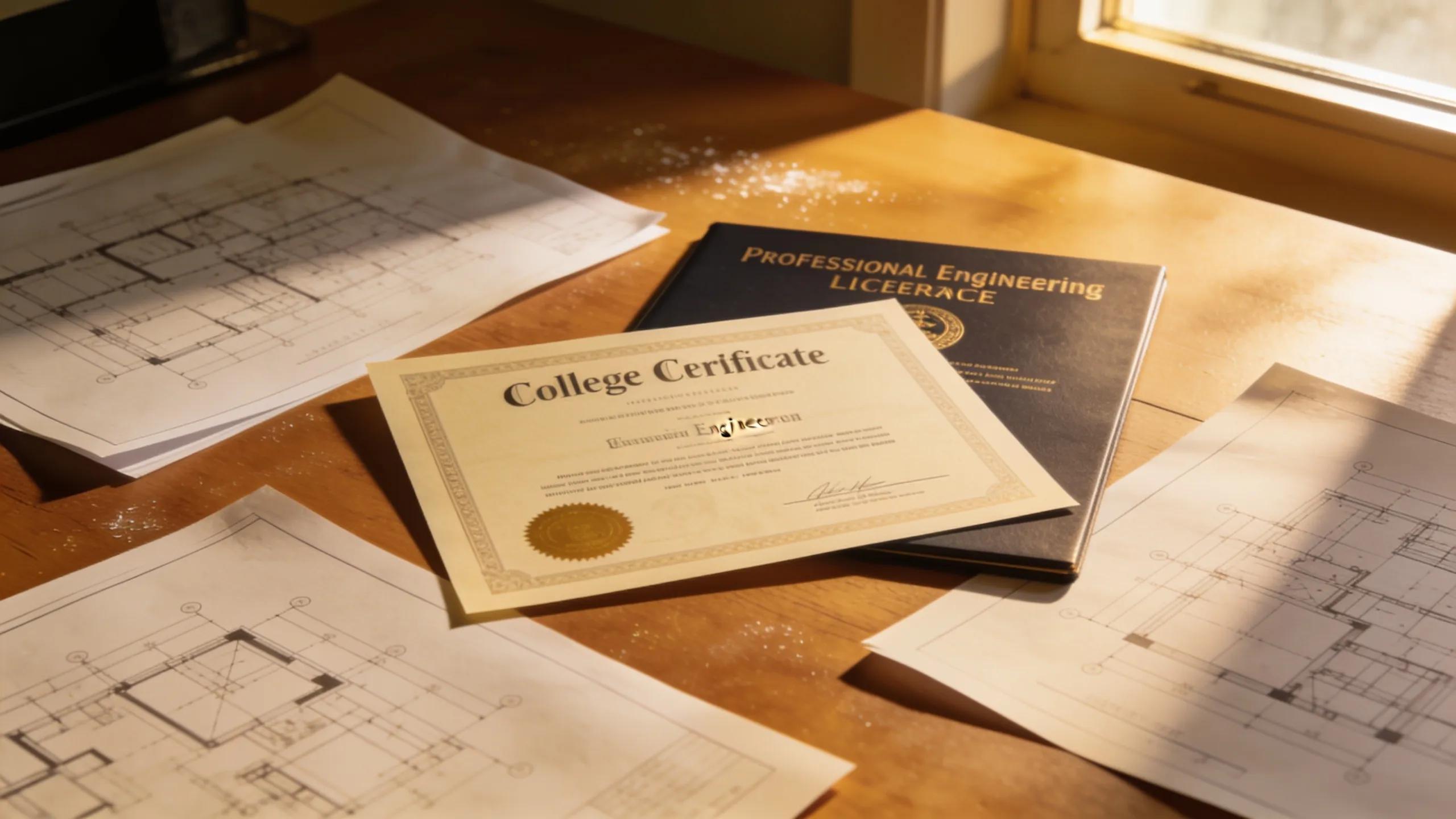
Confirm that candidates possess the requisite academic and professional credentials. Typical expectations include a Bachelor’s degree in civil or structural engineering and an active Professional Engineer (P.E.) license. Licensure verifies that the engineer has satisfied state-mandated education, supervised experience, and examination criteria necessary for practice.

Experience Matters

Evaluate prior project experience with attention to residential programmes and regional familiarity. Preference should be given to engineers who can demonstrate successful execution of comparable projects and a working knowledge of Southern Utah building practices and code interpretations.

Licensing Requirements

State licensure standards require candidates to complete specified examinations and accumulate documented professional experience. Understanding these regulatory prerequisites enables verification that a prospective engineer is authorised to provide structural services within Utah and capable of ensuring code-compliant deliverables.

State Licensing Purpose and Evaluation for Construction Quality The main topic in the licensing debate is whether licensing affects construction quality. Available literature and previous studies indicate that it does not. The real question is not whether licensing improves quality, but whether the improving quality is the actual purpose of licensing. There is little information available on the purpose of licensing as defined by state licensing departments as well as a general lack of information on how states evaluate whether licensing is fulfilling the intended purpose.The Purposes and Evaluation Methods for State Residential General Contractor Licensing, 2005

Consultation

Arrange structured consultations with shortlisted candidates to evaluate technical reasoning, communication protocol, and project management approach. Pose specific questions regarding anticipated challenges, mitigation strategies, schedule management, and coordination with other consultants. Responses should demonstrate methodical problem solving and a clear programme for delivery.

Review Proposals

Require formal proposals that delineate scope of work, deliverables, schedule, and fee structure. Assess each submission for technical completeness, defined assumptions, and potential cost drivers. Conduct a comparative analysis to determine which proposal best aligns with project objectives and budget constraints.

Check References

Validate performance claims by contacting former clients and collaborators. Inquire about project adherence to schedule and budget, quality of technical documentation, and the engineer’s responsiveness to site issues. Reference feedback provides empirical evidence of professional reliability.

Contract Agreement

Document all terms in a written contract that specifies scope, milestones, fee schedule, deliverables, liability allocations, and any applicable warranties. Clear contractual provisions reduce ambiguity and establish accountability for both parties throughout project execution.

Ongoing Communication

Establish a communication plan that defines reporting cadence, decision-making protocols, and escalation paths. Regular status updates and documented communications assist in early identification of issues and support coordinated project delivery.

What Are Residential Structural Engineering Services and Their Importance?

Residential structural engineering services include structural design consultation, load and stress analysis, and preparation of construction documents compliant with local building codes. These services provide technical assessments and engineered designs that protect structural integrity, reduce construction risk, and support regulatory compliance, thereby preserving occupant safety and asset value.

Which Residential Structural Engineering Services Are Offered by Southern Utah Firms?

Firms in Southern Utah typically provide a suite of residential structural services tailored to local conditions. Offerings commonly address design, site conditions, and compliance requirements relevant to the regional regulatory environment.

  • Structural Design Consultation: Evaluating building plans and suggesting modifications to meet safety standards.
  • Site Surveying: Analyzing the construction site to assess parameters that affect foundation design and building stability.
  • Compliance Checks: Ensuring all plans align with local building codes and regulations, minimizing the risk of violations and associated penalties.

These specialist services contribute directly to project viability by providing engineered solutions that address site-specific constraints and regulatory obligations.

Why Is Structural Engineering Critical for Custom Home Construction?

Custom homes present unique structural challenges that require project-specific engineering solutions. Structural engineers evaluate geotechnical conditions, load paths, and environmental factors to develop designs that meet regulatory standards and ensure long-term performance of structural systems.

How to Verify Licensing and Credentials for Structural Engineers in Southern Utah?

To verify credentials, request license documentation and confirm its status via the Utah Division of Occupational and Professional Licensing. Also request evidence of relevant certifications or continuing professional development to confirm current technical competence and specialisation.

What Are the Licensing Requirements for Structural Engineers in Utah?

In Utah, licensure typically requires an accredited engineering degree, documented professional experience, and successful completion of the Fundamentals of Engineering (FE) and the Principles and Practice of Engineering (PE) examinations.

What Steps Should You Follow to Hire a Structural Engineer for Your Residential Project?

To summarize the hiring process, follow a structured sequence: define project requirements, identify and research licensed engineers, verify qualifications, evaluate relevant experience, confirm regulatory compliance, conduct consultations, review proposals, check references, formalise contract terms, and maintain ongoing communication through project completion.

How to Conduct Initial Consultations and Assess Engineer Expertise?

During initial consultations, evaluate technical competence by asking targeted questions on code interpretation, design methodology, and risk mitigation. Assess the engineer’s capacity to articulate design rationales and to reference applicable codes and standards. A candidate’s clarity and evidence-based responses indicate suitability for engagement.

What Are the Cost Factors for Structural Engineering Services in Southern Utah?

Fees for structural engineering vary according to project complexity, site conditions, and the consultant’s experience. Factors such as the extent of design documentation, required analyzes, and regional logistical considerations will influence the overall cost profile.

How Does Project Scope Influence Structural Engineer Cost Southern Utah?

Project scope directly affects fee estimates. Larger or more technically demanding assignments require additional analyzes, documentation, and coordination, which increase professional time and associated fees. Detailed scope definition during the proposal stage reduces cost uncertainty.

How Does Integrating Structural Engineering and Land Surveying Benefit Residential Construction?

Integrating structural engineering with land surveying improves design accuracy by ensuring that topographic and boundary data inform foundation and structural decisions. This coordination reduces rework and supports compliance with site-specific regulatory requirements.

Why Combine Structural Engineering With Residential Surveying Services?

Combining these disciplines provides a consolidated dataset for design decisions: survey-derived elevations and soil interface data allow engineers to develop foundation and structural solutions that accommodate site constraints and minimize costly modifications during construction.

How Does Site-Specific Data Impact Structural Design Decisions in Southern Utah?

Site-specific data—such as soil profile, moisture regime, and historical climatic loads—directly informs foundation selection, material specification, and structural detailing. In regions with variable geology, aligning designs with verified site data is essential for structural reliability.

Which Regulatory Compliance and Building Codes Must Be Considered in Southern Utah?

Compliance with applicable building codes and local ordinances is a baseline requirement. Relevant considerations typically include seismic provisions, zoning restrictions, and foundation requirements driven by geotechnical assessments. Engaging a licensed structural engineer facilitates accurate interpretation and application of these requirements.

What Local Building Codes Apply to Residential Structural Engineering Projects?

Local building codes address structural load capacities, seismic safety provisions, and energy efficiency criteria, among other requirements. Familiarity with these code elements enables engineers and owners to address compliance efficiently during design and construction phases.

How to Ensure Your Project Meets Southern Utah Residential Construction Standards?

Engage a licensed structural engineer to ensure that design and construction conform to applicable codes and standards. Maintain a defined communication protocol and review schedule to manage regulatory updates and site-specific issues promptly, thereby supporting consistent delivery of compliant work.

Frequently Asked Questions

What are the benefits of hiring a structural engineer for a residential project?

Retaining a structural engineer delivers technical assessments that reduce structural risk, inform material selection, and ensure code-compliant designs. These professional services support occupant safety, regulatory adherence, and the long-term durability of the asset.

How can I prepare for my consultation with a structural engineer?

Prepare by assembling relevant documentation—site plans, architectural drawings, and any prior technical reports—and by listing specific technical questions regarding constraints, schedule, and budget. Providing comprehensive background information enables a focused and efficient consultation.

What specific questions should I ask during the consultation?

Request details on the engineer’s experience with comparable projects, proposed analytical methods, code interpretation, anticipated deliverables, and coordination procedures with other consultants. Clarify availability, project communication protocols, and change-management practices.

What role does a structural engineer play in ensuring compliance with local building codes?

A structural engineer interprets applicable codes, verifies that structural elements meet regulatory thresholds, and prepares engineered drawings and calculations required for permit approval. Their role reduces the likelihood of non-compliance and associated remedial actions.

How do structural engineers collaborate with other professionals on a construction project?

Structural engineers coordinate with architects, contractors, and surveyors to integrate structural requirements with architectural intent and site constraints. Regular interdisciplinary coordination mitigates conflicts, aligns schedules, and supports efficient construction sequencing.

Why is it important to check references when hiring a structural engineer?

Reference checks provide empirical confirmation of an engineer’s performance on prior projects, including adherence to schedules, quality of technical deliverables, and effectiveness in addressing site issues. This information assists in selecting a practitioner with proven competence.

Conclusion

Engaging a licensed structural engineer in Southern Utah ensures that residential construction projects adhere to applicable safety and building regulations and benefit from technical oversight. Contact qualified engineers to discuss project-specific requirements and secure the documented expertise necessary to achieve compliant, durable outcomes.