
By Rosenberg Associates Editorial Team

Rosenberg Associates, based in St. George, UT, delivers civil engineering case studies for Southern Utah parks, trails, and public facilities, drawing on a 17-employee team’s direct project experience with municipal clients throughout the region to demonstrate proven design and construction outcomes.

Civic infrastructure projects across Southern Utah, including parks, trails, and public facilities, require site-specific engineering grounded in local terrain and climate data. Rosenberg Associates, founded in 1989, brings 12 licensed civil engineers and integrated survey and geotechnical services. Drainage expertise to municipal and developer clients planning recreational infrastructure throughout Southwestern Utah’s varied desert and canyon landscapes.

Key Takeaways

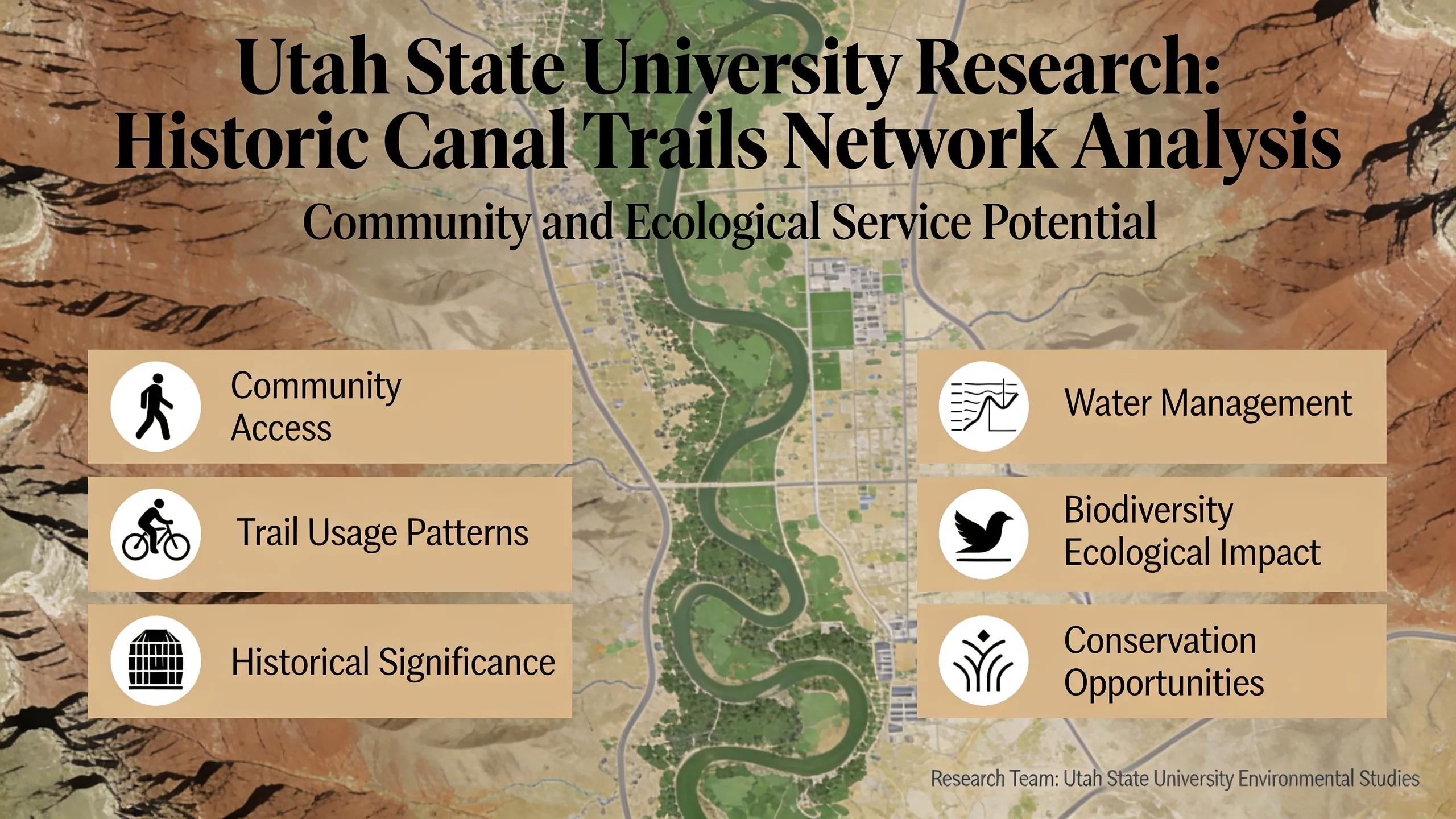
  • Utah State University researchers studied historic canal trails as active transportation solutions for Utah communities.

  • Utah Department of Transportation uses the USU research to guide decisions on building canal paths.

  • Canal corridors provide trail infrastructure in developed urban areas where space constraints limit new construction.

  • The March 2022 final report UT-22.04 addresses active transportation facilities in canal corridors statewide.

Why Does Southern Utah Need Civil Engineering For Parks?

Population growth across Utah ranks among the fastest in the nation. Southern Utah communities feel that pressure directly on parks, trails, and public gathering spaces. Demand for walking paths, biking routes, and recreational amenities keeps climbing faster than many cities can plan for it. Without sound engineering, that growth strains existing infrastructure and leaves residents with fewer safe places to gather, walk, or ride.

What Makes Park Design In Southern Utah Different?

Terrain drives every decision. Soil conditions vary sharply between mountain elevations and desert valleys, and temperature swings between those zones create real design constraints. A public facility example in St. George area often requires soil testing, drainage modeling, and material selections that would fail in a milder, more uniform climate.

Why Are Trails Harder To Build In Developed Areas?

Paths and trails encourage walking and biking effectively, but fitting them into already-built neighborhoods presents real obstacles. Engineers must navigate existing utilities, property lines, and limited right-of-way space. A well-documented trail project case study in Southern Utah typically shows how corridor studies, grading plans, and phased construction solve these constraints without disrupting neighboring development.

Municipal leaders evaluating new recreational infrastructure benefit from reviewing a completed parks case study in St. George before committing to design direction. These records reveal how drainage, grading, and utility coordination shaped a finished, functional space.

Rosenberg Associates has served Southern Utah communities since 1989, combining engineering excellence with consistent brand identification across every civic project it delivers. That continuity gives municipal clients a dependable partner as regional growth accelerates.

What Does The Canal Corridor Trail Study Reveal?

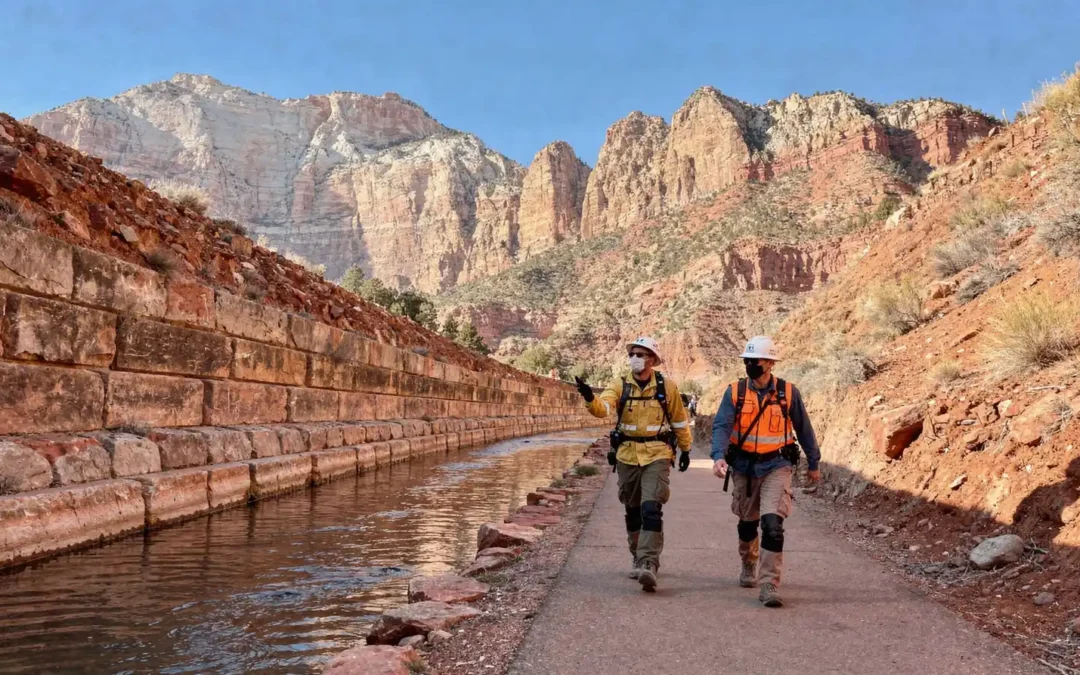
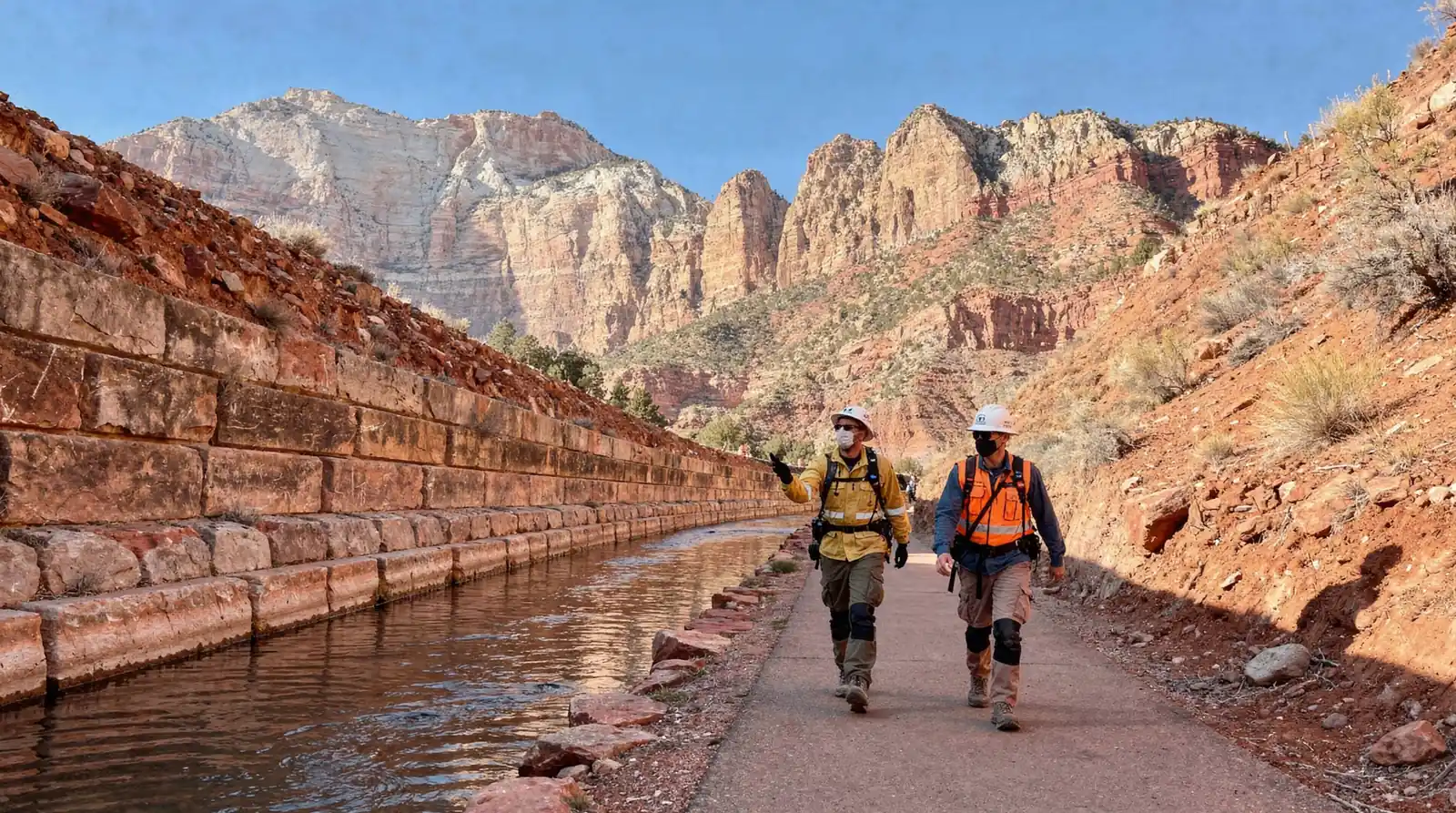
Utah State University researchers answered a pressing infrastructure question: can historic canal networks double as active transportation routes? Their findings apply directly to any trail project case study in southern Utah planners might reference when weighing canal-adjacent paths against traditional greenway construction. The Utah Department of Transportation funded the work. The American Society of Civil Engineers published it in June, giving municipal leaders a peer-reviewed technical benchmark rather than an untested theory.

That distinction matters. Public agencies rarely get research this directly tied to buildable outcomes.

Why does canal corridor research matter for Southern Utah communities?

Canal easements already cross many Southern Utah municipalities, often running through areas where new right-of-way acquisition would be costly or politically difficult. Repurposing these corridors avoids that expense while extending connectivity between neighborhoods, schools, and parks. The study positions UDOT and local decision-makers to evaluate canal paths using consistent, evidence-based criteria instead of ad hoc engineering judgment.

What should planners take from the ASCE-published findings?

The research offers a replicable framework, not a one-size solution. Communities weighing canal trail feasibility should consider several factors drawn from the study’s scope:

  • Existing canal ownership and easement rights

  • Compatibility between active transportation use and irrigation infrastructure

  • Coordination requirements with the Utah Department of Transportation

  • Alignment with broader municipal recreation and mobility goals
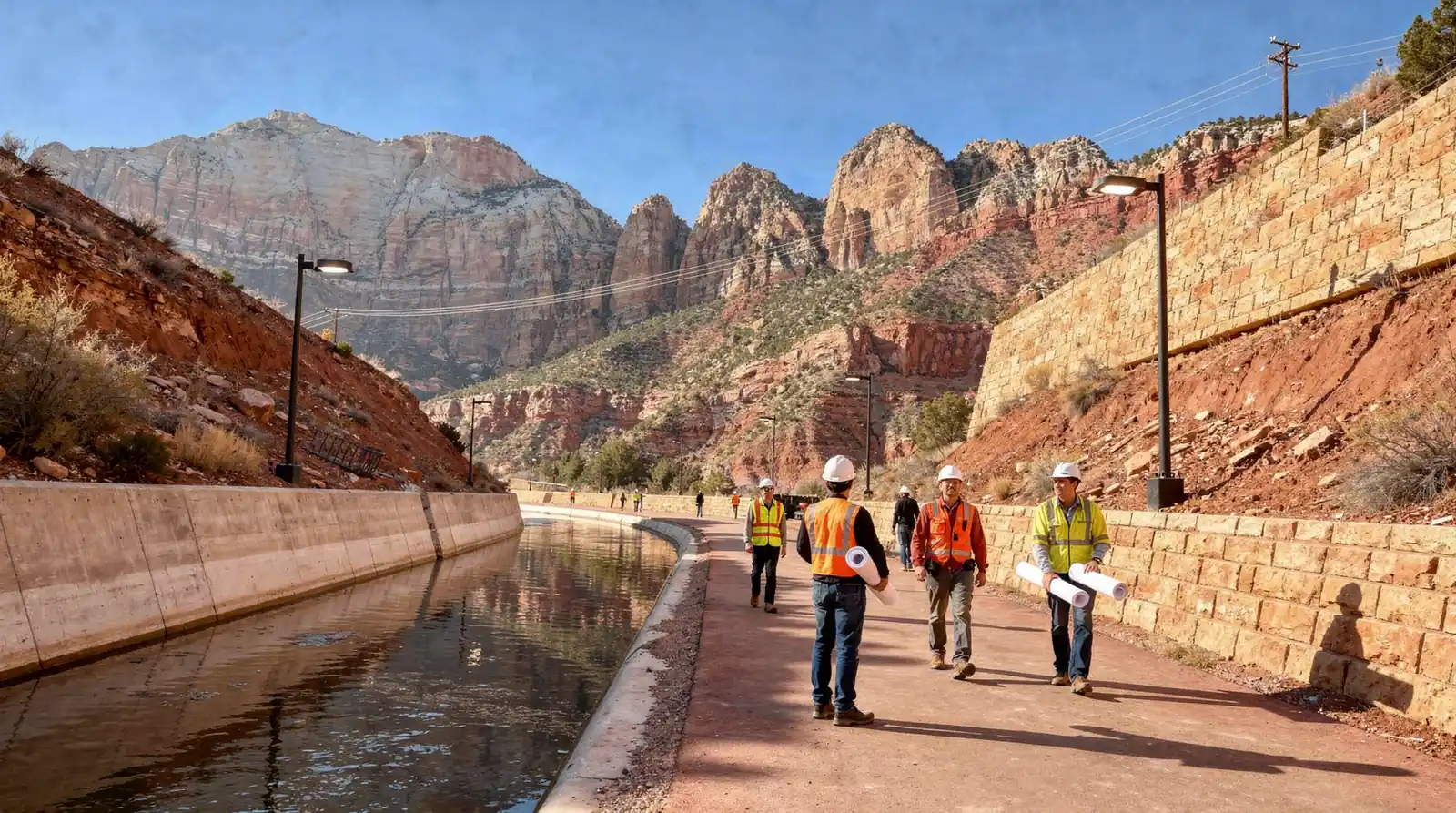
Rosenberg Associates brings this research directly into practice for Southern Utah clients, translating peer-reviewed canal corridor findings into workable trail designs. Firms with civil, structural, and surveying expertise under one roof can move a canal trail concept from feasibility review through construction documentation without the delays that come from juggling multiple outside consultants. That consolidated capability, paired with consistent brand identification across every phase of a public project, gives municipal leaders a single accountable partner for trail planning decisions rooted in this UDOT-backed research.

What Lessons Come From Real Trail Case Studies?

Real trail case studies reveal that successful canal-corridor paths depend on early stakeholder engagement and careful terrain analysis. Researchers examining existing canal trails, including corridors in Utah County and Cache County, interviewed canal operators and local planners to identify what separates a functional trail from a neglected one. Their findings offer a template for Southern Utah communities weighing similar investments.

What Made Those Canal Trail Studies Useful for Planners?

The research method mattered as much as the results. Investigators did not rely on theory alone. They studied working trails and spoke directly with the people who manage water infrastructure and public land daily. That combination of field review and stakeholder interviews produced practical guidance rather than abstract recommendations, offering a model applicable to any trail project case study Southern Utah planners might commission.

How Does This Apply to Southern Utah's Terrain?

Southern Utah’s canyons, washes, and flash-flood-prone drainages demand engineering that accounts for water movement, not just trail alignment. Rosenberg Associates brings river and floodplain management expertise, including hydraulic modeling and erosion control, to trail and canal-adjacent projects across its Southwestern Utah service area. This experience directly informs a strong parks case study st george framework. Trail durability depends on managing seasonal runoff and shifting soil conditions.

Three factors consistently separate resilient trail projects from ones requiring costly repairs:

  • Early coordination with canal operators and irrigation districts

  • Hydraulic analysis suited to local drainage patterns

  • Willingness to adjust design as field conditions change
That last point proves decisive. Flexibility during the design process has produced successful outcomes for developers. Communities alike, particularly on public infrastructure projects where conditions shift between concept and construction. For municipal leaders evaluating public facility examples in St. George and beyond, the lesson is straightforward: listen to stakeholders early, model the water, and stay adaptable through final design.

What Do Strong Public Facility Projects Include?

Strong public facility projects combine multi-disciplinary engineering, licensed technical oversight, and site-specific design tailored to Southern Utah’s terrain. Municipal leaders reviewing a parks case study in St. George consistently find that successful outcomes depend on coordinated civil, structural, survey, and environmental work rather than isolated design tasks.

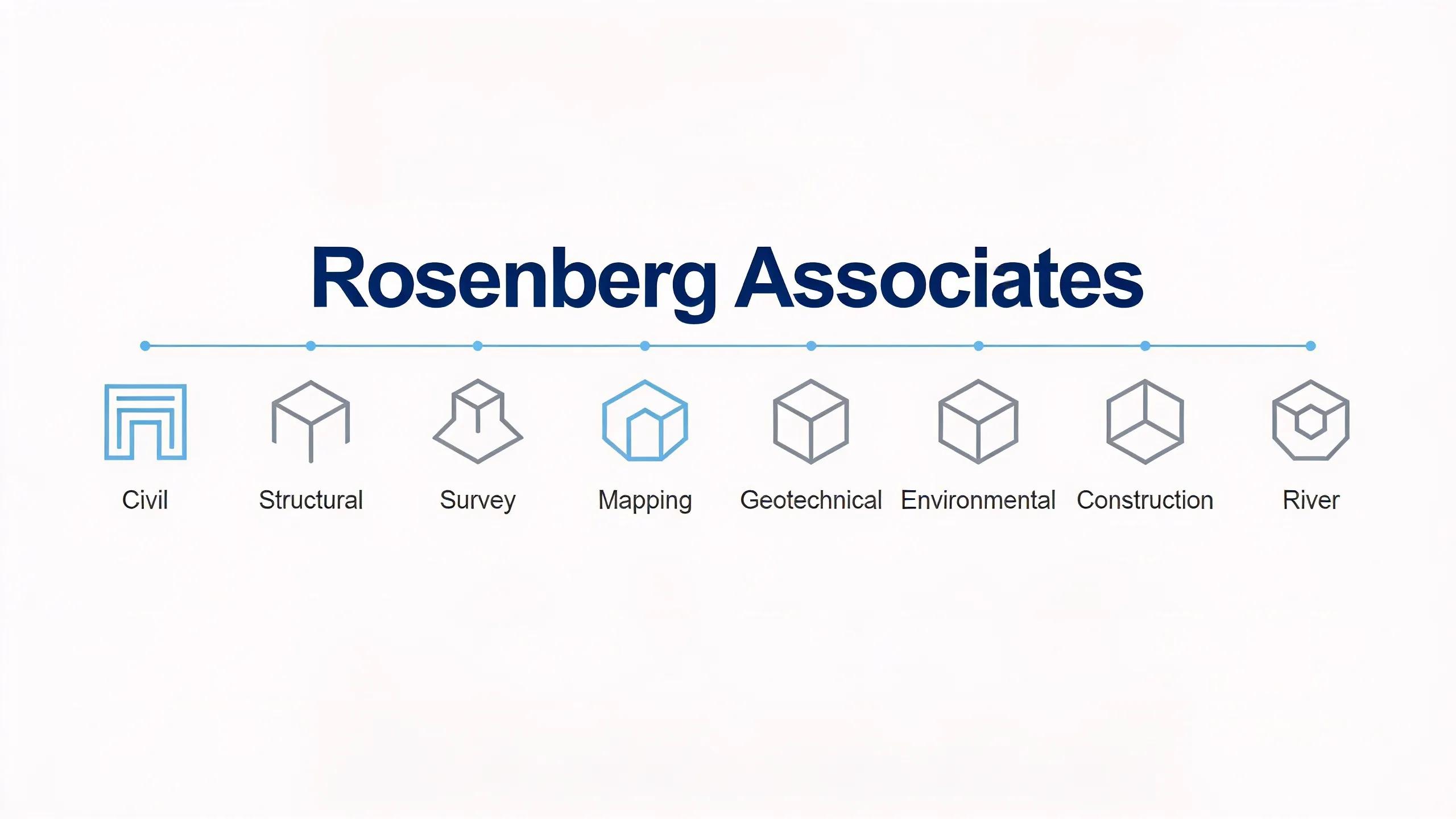
Rosenberg Associates delivers civil, structural, survey, mapping, geotechnical, environmental, construction, river, and floodplain management services under one firm. This range matters for recreation projects, where drainage design, soil analysis, and structural planning must align from the outset. A trail project case study in Southern Utah typically requires floodplain assessment alongside pathway grading. Canal corridors and desert washes carry unique erosion and flood risk.

Licensed staffing determines project reliability. The firm’s team includes 12 licensed civil engineers, 2 licensed structural engineers, and 3 licensed land surveyors, supported by project managers, designers, and survey crews. That structure allows a single park or civic building to move from boundary survey through structural review without switching consultants mid-project.

What makes a public facility project successful in Southern Utah?

Success depends on matching engineering discipline to terrain challenge. Rugged elevation changes, variable soil conditions, and seasonal flood risk demand geotechnical testing and hydraulic modeling before design finalizes. Projects that skip this sequencing face costly redesign after construction begins.

Why does firm size matter for civic infrastructure?

Staffing depth affects schedule reliability and technical coverage. With 17 employees, Rosenberg Associates supports concept-through-construction work for community and developer clients without outsourcing core disciplines.

Locally owned and operated since 1989, the firm serves Southern Utah communities directly rather than managing projects remotely. That regional presence, paired with consistent brand identification across every engagement, gives planners a single accountable partner. Reviewing public facility examples in St. George shows that continuity between design phases reduces rework and keeps public projects on schedule.

How Should Municipalities Plan Their Next Park?

Successful park planning starts with terrain analysis, community growth projections, and engineering partners who understand Southern Utah’s landscape. Rosenberg Associates, based in St. George, UT, serves municipal and developer clients throughout the region, bringing decades of local project experience to civic recreation planning.

Southern Utah’s rugged and picturesque scenery demands more than standard design templates. Soil conditions shift dramatically between mountain elevations and low desert basins. Engineers must account for these variations before breaking ground. A well-documented parks case study from the region shows how protecting critical habitat. Scenic viewsheds work alongside functional site design, not against it.

Why does population growth matter for park planning?

Utah ranks among the fastest-growing states in the nation, and that growth pressures cities to expand active transportation options. Parks increasingly connect to broader networks, making early coordination with a trail project case study approach valuable for long-term planning.

What should planners review before design begins?

  • Existing public facility examples from comparable Southern Utah communities

  • Terrain and drainage constraints specific to the site

  • Population growth data affecting long-term facility demand

  • Habitat and viewshed preservation requirements

Municipal leaders benefit from engaging engineering partners early, before land acquisition finalizes. Early involvement reduces redesign costs and keeps projects aligned with regulatory and environmental standards.

FAQ

Why does Southern Utah need civil engineering for parks?

Fast population growth across Utah puts direct pressure on Southern Utah parks, trails, and public spaces. Sound engineering prevents strained infrastructure and ensures residents have safe places to gather, walk, or ride.

What makes park design in Southern Utah different from other regions?

Terrain drives every decision, since soil conditions vary sharply between mountain elevations and desert valleys. St. George area projects often require soil testing, drainage modeling, and climate-specific material selections.

Why are trails difficult to build in already-developed neighborhoods?

Corridor studies, grading plans, and phased construction help solve these constraints without disrupting neighboring development.

Facts

  • Rosenberg Associates is located in St. George, UT, US.

  • Rosenberg Associates has 17 employees.

  • Arizona (Page, Littlefield, Scenic, Kingman, Bullhead, Fort Mohave, Lake Havasu City, Prescott, Prescott Valley)

  • Nevada (Mesquite, Logandale, Overton, Caliente, Panaca.) With emphasis on grading and drainage plans, land survey, and generically on engineer(ing) / civil engineer(ing).

Conclusion

In closing, the design and stewardship of parks, trails, and public facilities in Southern Utah demand engineering expertise grounded in regional terrain, climate, and community values. Rosenberg Associates brings three decades of local experience and multidisciplinary technical capability to these projects, delivering infrastructure that balances recreational access, environmental stewardship, and long-term durability. Through thoughtful planning and rigorous engineering, such facilities strengthen communities and preserve the landscape for generations to come.