
By Rosenberg Associates Editorial Team ·

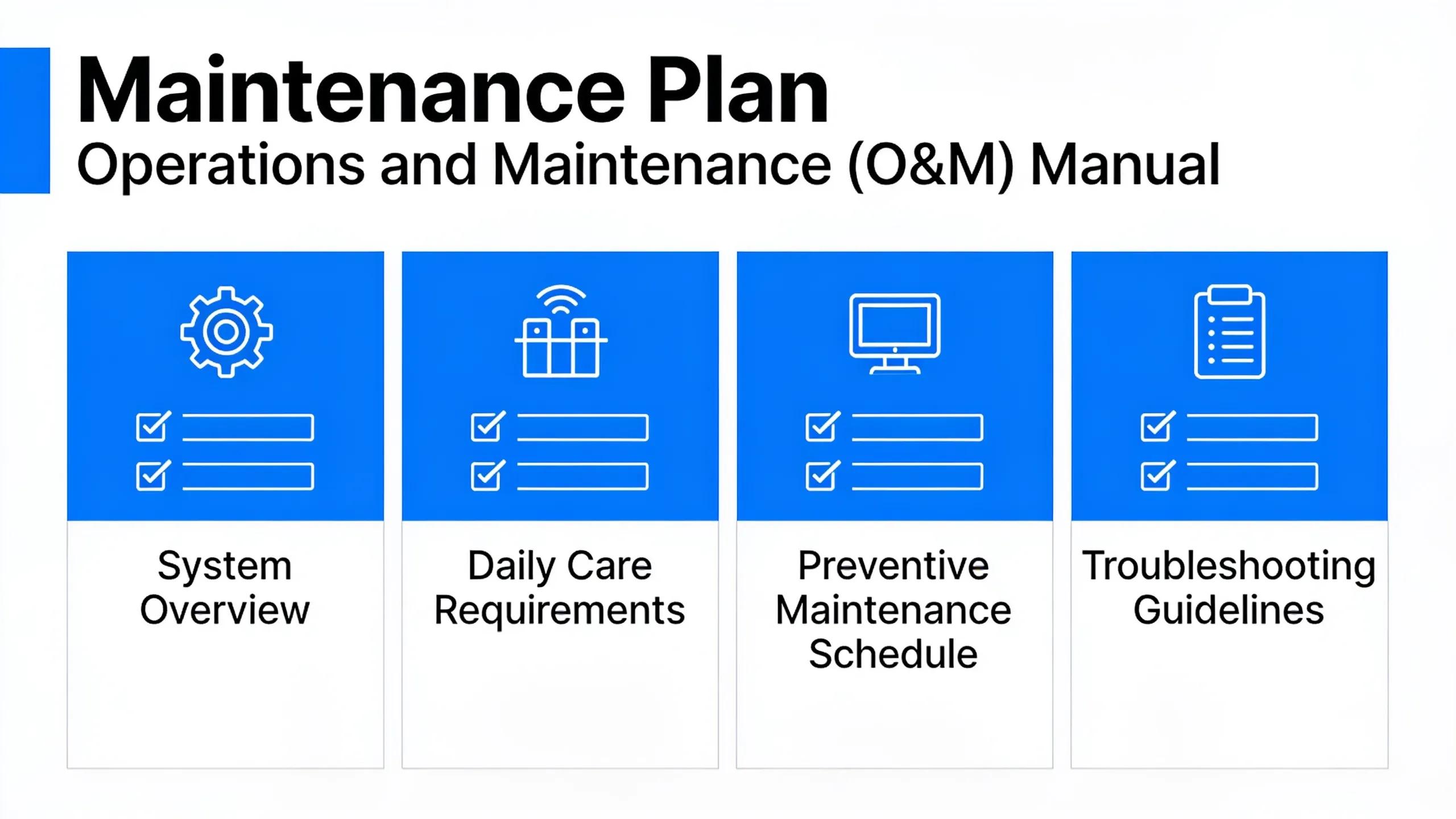
Maintenance plans, often called Operations and Maintenance (O&M) manuals, outline ongoing care requirements across systems

Park maintenance and lifecycle planning rely on Civil Engineering Services St George 094 in St. George, Utah that outline ongoing care for systems like stormwater infrastructure, irrigation, and hardscape. Rosenberg Associates applies civil engineering expertise and AutoCAD-based design tools to help Southern Utah municipalities. Developers extend public space durability and control long-term costs.

Key Takeaways

  • Long-term maintenance plans function as strategic tools ensuring parks remain safe, functional, and beautiful for communities.

  • Operations and maintenance funding proves more challenging to secure than initial park acquisition and construction costs.

  • Rosenberg Associates integrates maintenance planning into park projects from the project's start, not as an afterthought.

  • Sustainable stormwater management systems address community-specific needs while ensuring reliable, safe access to clean water resources.

Why Does Park Lifecycle Planning Matter Now?

Growing communities across Southern Utah place new demands on public open space every year. Long-term park maintenance planning in St. George has become essential as municipalities expand trail networks, plazas, and recreational facilities to keep pace with population growth. Without a structured approach, well-designed spaces deteriorate faster than budgets can address.

A maintenance plan is not simply paperwork filed away after ribbon-cutting ceremonies. These documents function as strategic tools, guiding decisions that keep parks, plazas, and public facilities safe, functional, and attractive for decades. Public works directors who treat maintenance plans as living management systems, rather than static reports, protect capital investments more effectively.

What Does Park Lifecycle Management Actually Involve?

Effective park lifecycle management in Southern Utah covers a facility’s full timeline, from initial design through decades of operation. Planners must account for irrigation systems, playground equipment, sidewalks, and landscaping, each with distinct replacement timelines. Coordinating these elements prevents the fragmented, reactive repairs that drain municipal budgets.

Who Should Lead This Planning Process?

Rosenberg Associates operates as a locally owned and operated consulting engineering firm based in Southern Utah, positioned to guide agencies through this work. The firm’s multi-disciplinary lineup, spanning civil, structural, survey, mapping, geotechnical, environmental, construction, and floodplain management services, supports full lifecycle needs under one roof.

That range of in-house expertise matters because parks rarely involve a single discipline:

  • Civil and grading design shapes drainage and site layout before construction begins.

  • Structural review ensures shade structures, restrooms, and signage withstand regional conditions.

  • Environmental and geotechnical input informs soil stability and erosion planning.

Coordinated park maintenance schedules st george built from this consistent brand identification give planners a single point of accountability rather than a patchwork of disconnected consultants. Municipal officials gain clearer budgeting timelines, and developers avoid costly surprises after handover to public ownership.

What Belongs In A Park Maintenance Plan?

A complete plan defines who cares for every system in a park, how often, and by what method. Municipal planners in Southern Utah lose budget and staff time when these details stay undocumented. Crews end up guessing at inspection cycles instead of following a schedule. Effective park maintenance planning st george work starts with a written framework, not a verbal understanding passed between departments.

These documents function as Operations and Maintenance manuals, often shortened to O&M manuals. They outline ongoing care requirements across every system in a public space, from stormwater infrastructure to seasonal plantings. A well-built manual does not stop at broad categories; it breaks maintenance into specific, assignable tasks.

What details should an O&M manual include?

Inspection schedules come first, followed by cleaning protocols and manufacturer-recommended upkeep for proprietary systems such as storm filters. These specifics matter because generic guidance leads to missed service intervals and premature equipment failure. A manual that names exact tasks gives public works staff a clear, repeatable routine.

How does infrastructure design connect to long-term upkeep?

Design decisions made years before opening day determine how easily a park gets maintained later. Rosenberg Associates prepares site layout, grading and drainage, and utility and street improvement plans that establish the baseline infrastructure documentation municipalities rely on for scheduling upkeep. Every road, grading, and utility plan follows applicable local standards and regulations, forming the compliance backbone that supports park lifecycle management in Southern Utah efforts from construction through decades of use.

A strong plan generally addresses:

  • Stormwater systems and drainage infrastructure

  • Seasonal planting and irrigation upkeep

  • Inspection frequency for mechanical and proprietary equipment

  • Cleaning protocols tied to manufacturer specifications

  • Utility and street improvement documentation
Municipalities that build these elements into park maintenance schedules, St. George planning from the outset, avoid the costly guesswork that follows undocumented infrastructure.

How Should Maintenance Shape Park Design?

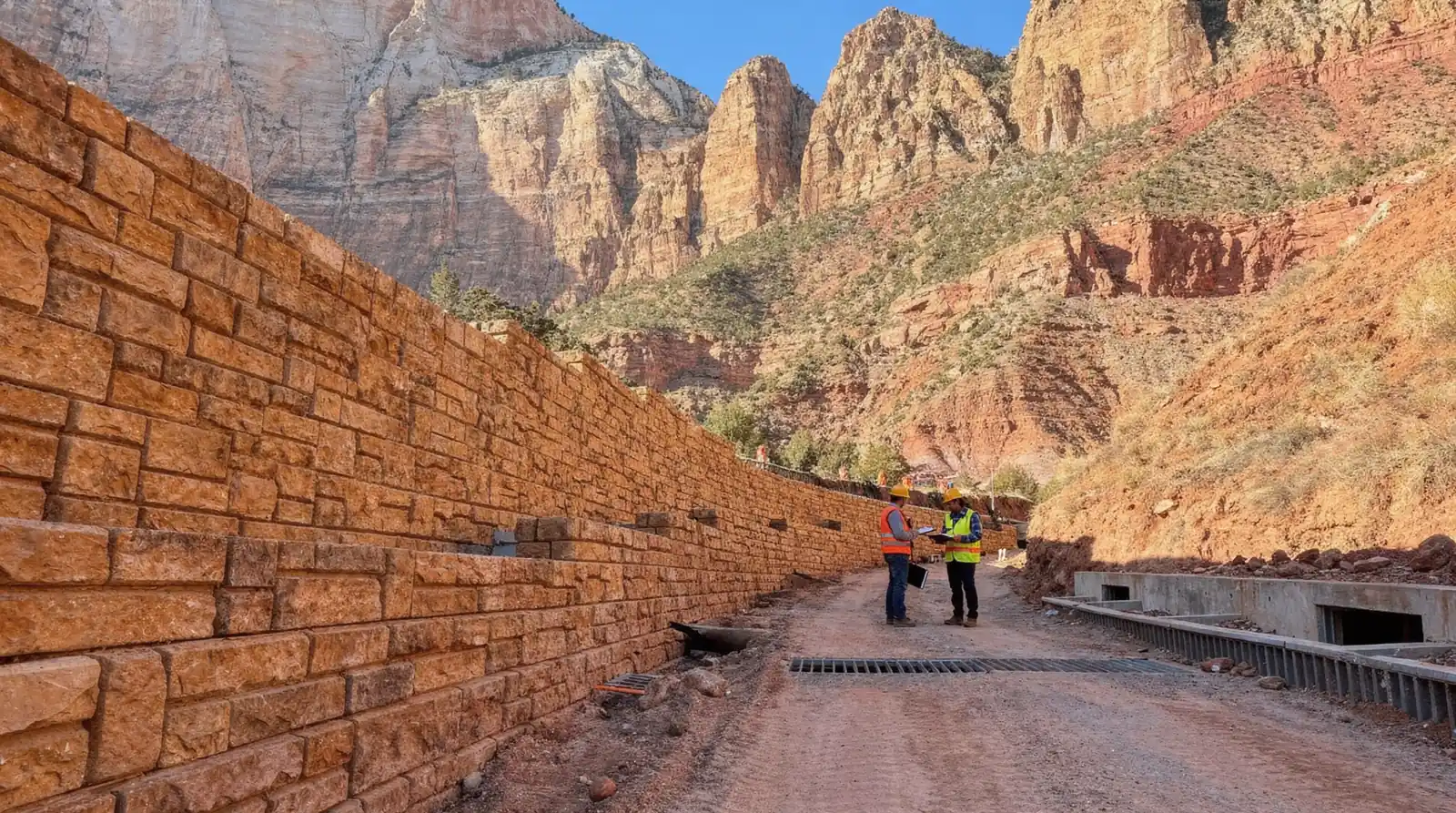
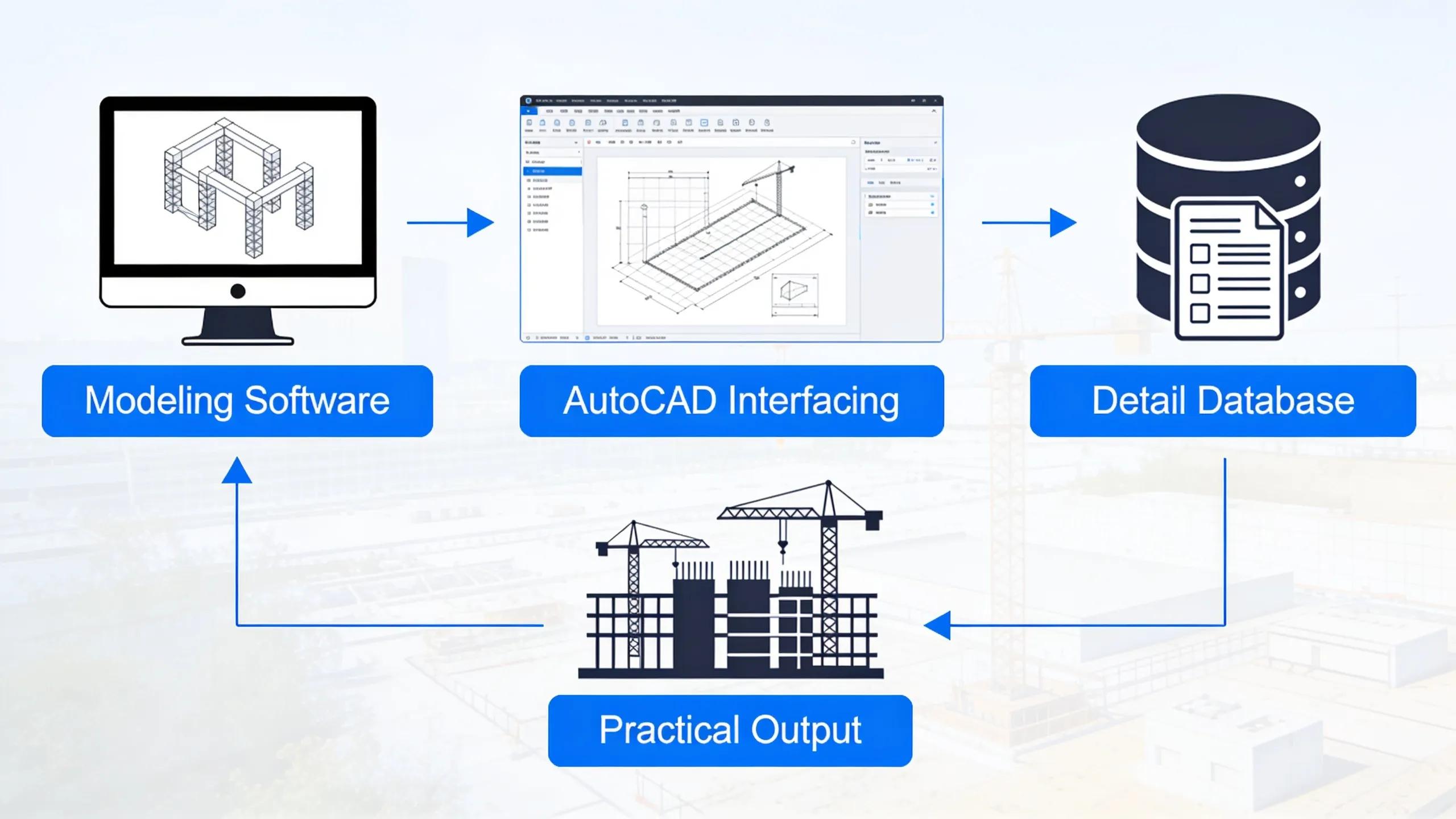
Design decisions made at the drawing board determine repair costs a decade later. Structural engineers apply modeling software, AutoCAD interfacing, and an extensive detail database to produce practical, easy-to-read plans for pavilions, restrooms, and retaining walls built to withstand Southern Utah’s climate. Effective park maintenance planning in St. George begins with these technical decisions, not after ribbon-cutting.

Material selection carries long-term consequences. Rosenberg Associates tracks local construction trends and current technology to recommend materials and methods suited to durability and reduced upkeep. Choosing the wrong surface, footing, or drainage detail forces municipalities into costly retrofits within a few years of opening a facility.

Why has maintenance historically been left out of park design?

Planning teams have traditionally treated maintenance as an afterthought rather than a design input. Historically, maintenance planning has not been a routine part of designing new parks or renovating existing facilities, leaving public works staff to manage systems they had no hand in specifying. That gap produces knowledge shortfalls: staff inherits equipment and materials without documentation on upkeep requirements or expected service life.

Closing that gap requires park lifecycle management southern utah practices woven into every design phase, not layered on afterward.

Does field coordination affect long-term upkeep?

Yes. Coordination extends past the drawing board and into active construction sites. Field conditions sometimes demand last-minute changes to plans, methods, or materials, and responsive adjustment at that stage prevents defects that would otherwise surface as maintenance headaches.

Public works directors benefit from three coordinated design outputs:

  • Structural plans built for regional climate durability

  • Material specifications matched to lower upkeep demands

  • Field-tested adjustments that anticipate realistic park maintenance schedules St George
How Do Utilities And Water Systems Affect Costs?

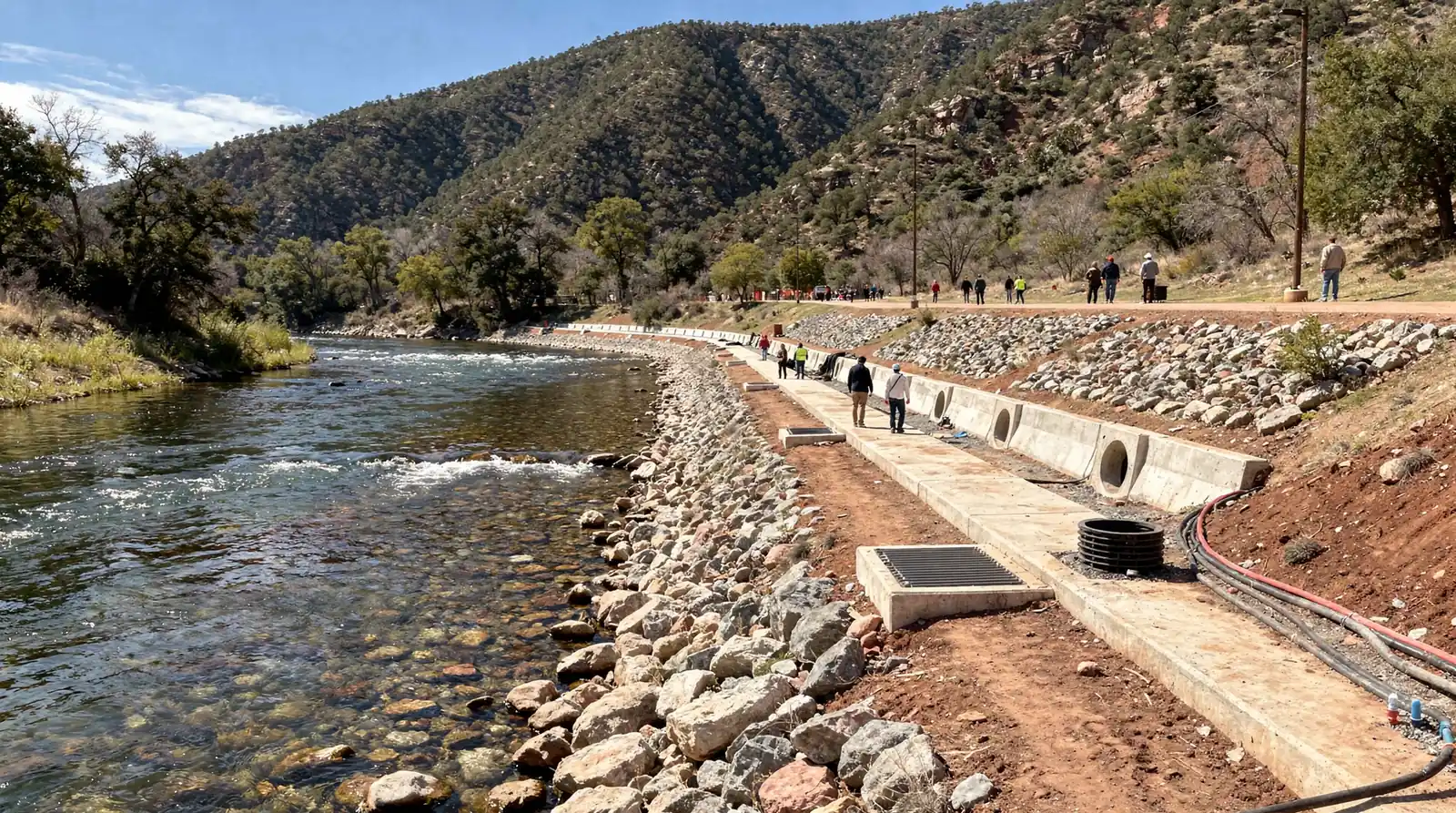
Water infrastructure ranks among the largest cost drivers in any public space budget. Lakes, rivers, and streams anchor community health and economic vitality, and parks built near these features inherit both their value and their maintenance demands. Stormwater lines, irrigation networks, and drainage systems require ongoing inspection, repair, and eventual replacement. Expenses that compound over decades if left unaddressed during early park maintenance planning st george efforts. Municipal planners who account for these systems upfront avoid costly emergency repairs later.

Utility corridors add another layer of complexity. Established relationships with local How to Hire a Structural Engineer for Residential Construction in Southern Utah of major infrastructure, including new corridor development and relocation of existing lines. This coordination matters for public works directors managing multiple projects across a growing region. Without it, utility conflicts delay construction and inflate change-order costs.

What Utility Factors Should Planners Budget For?

Several recurring cost categories shape long-term park budgets:

  • Stormwater conveyance and drainage upkeep

  • Irrigation system repair and seasonal adjustment

  • Utility relocation for corridor expansion

  • Water quality monitoring near lakes and streams

Each item feeds directly into park maintenance schedules st george documents, which track inspection frequency and replacement timelines for underground and above-ground systems alike.

Why Does Project Continuity Matter for Utility Costs?

Servicing a project from inception through completion prevents the cost gaps that occur when design and construction teams change mid-project. Decades of combined experience across civil, structural, and stormwater disciplines allow integrated planning that keeps utility systems aligned with broader park lifecycle management goals. Consistent brand identification across project phases gives developers and municipal staff a single, accountable point of contact from design through construction close-out.

What Does Local Lifecycle Planning Look Like?

Regional park projects across Southern Utah show what disciplined park lifecycle management in Southern Utah requires in practice. Rosenberg Associates partnered with Spohn Ranch Skateparks, Jackson Design, and Washington City to design a new regional park in Washington City, Utah. That project offers a clear example of how complex public recreation assets get built. Why they demand structured park maintenance planning in St. George from day one.

The Washington City park is not a single-feature facility. It combines a mountain bike trail, a bike pump track, and large bike and skate park areas with tracks, jumps, and features suited to multiple skill levels. A splash pad, several pavilions, and two restroom buildings round out the site. Each element carries its own upkeep demands:

  • Trail and track surfaces require periodic grading and erosion checks.

  • Splash pad equipment needs mechanical and water-quality inspection on a set cycle.

  • Restroom buildings and pavilions require structural and plumbing review tied to usage patterns.

How Do Skill-Level Features Affect Maintenance Scheduling?

Multi-level bike and skate features wear unevenly. Beginner zones see steady, light traffic, while advanced jumps and tracks absorb higher-impact use. Effective park maintenance schedules in St. George account for this variance, inspecting high-stress features more frequently than low-traffic ones.

The Washington Wheels Park project has reached completion, marking active, ongoing regional park development in the area. Projects of this scale need long-term maintenance scheduling built into their design, not added afterward. Rosenberg Associates has assembled a team of professionals positioned to lead this kind of planning into the future, working from St. George, Utah, to serve municipal and developer clients throughout the region. Consistent brand identification across every plan, drawing, and maintenance document helps municipal staff track responsibilities accurately over a facility’s full service life.

FAQ

Why does park lifecycle planning matter for growing communities?

Southern Utah municipalities expand trail networks, plazas, and recreational facilities to keep pace with population growth, and structured maintenance plans keep these spaces safe, functional, and attractive rather than deteriorating faster than budgets allow.

What does park lifecycle management cover?

Park lifecycle management spans a facility’s full timeline from initial design through decades of operation, coordinating irrigation systems, playground equipment, sidewalks, and landscaping to prevent fragmented, reactive repairs that drain municipal budgets.

Who leads park maintenance and lifecycle planning in Southern Utah?

Rosenberg Associates, a locally owned firm based in St. George, UT, with 40 employees, guides agencies through this work using civil, structural, survey, geotechnical, environmental, and floodplain management expertise under one roof.

Facts

  • Rosenberg Associates is located in St. George, UT, US.

  • Rosenberg Associates has 40 employees.

Conclusion

In closing, effective park maintenance and lifecycle planning demand a coordinated engineering approach that balances immediate operational needs with long-term infrastructure sustainability. Comprehensive design, strategic asset management, and proactive maintenance protocols ensure public facilities remain functional, safe, and aligned with community standards throughout their operational lifespan. Rosenberg Associates brings multidisciplinary expertise to these challenges, delivering engineering solutions that optimize park performance and preserve community value across decades of service.