
Environmental Services St George: Permits & Assessment in St. George
Environmental Services St George: Permits & Assessment in St. George

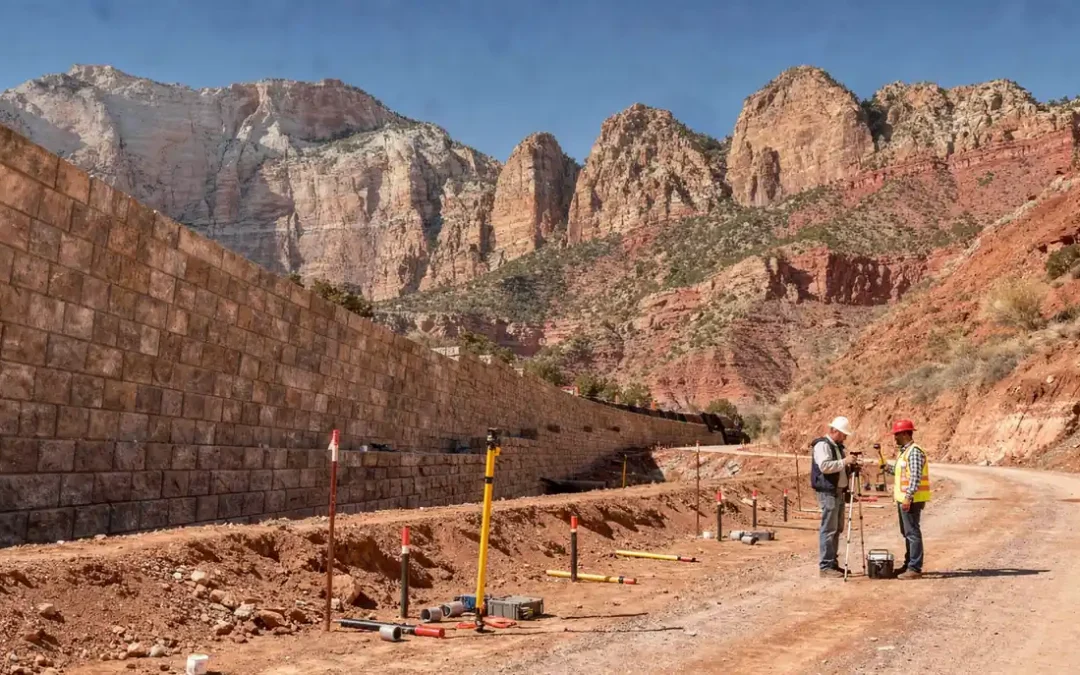
Environmental assessment and permitting in St. George requires coordination with agencies such as the U.S. Bureau of Reclamation and BLM’s St. George Field Office, as seen in the Washington County Civil Engineering Services St George 094 in St. George, Utah. Rosenberg Associates supports developers and municipal planners through geotechnical analysis, hazard identification, and regulatory documentation, streamlining site approval before construction begins.
Regulatory Requirements for Environmental Compliance
- The U.S. Bureau of Reclamation published a Draft Environmental Assessment for the Washington County Central Reuse System Project.
- A 30-day public comment period for the Draft EA allows stakeholders to submit input before the review process concludes.
- Environmental permitting requires coordination between multiple federal agencies including the Bureau of Reclamation and Bureau of Land Management.
- Professional environmental assessment services address land use evaluations, mitigation strategies, and regulatory compliance requirements for construction projects.
Why Does Environmental Review Matter in St. George?
Environmental review protects developers, builders, and land buyers from costly surprises before ground is ever broken. St. George sits at the intersection of desert basin and mountain elevation. That geography creates soil and drainage conditions that vary sharply from one parcel to the next. Skipping a proper assessment risks foundation failures, drainage disputes, or permit denials that stall a project for months.
The terrain itself is the first hurdle. Expansive clays, collapsible soils, and rocky outcrops sit within short distances of one another across Washington County. Climate swings between the valley floor and higher elevations compound the challenge. A qualified local environmental firm St. George developers trust can identify these variables early, before design decisions lock in costly assumptions.
Growth pressure raises the stakes further. St. George ranks among the fastest-growing communities in the United States. That expansion pulls new construction closer to sensitive habitat and open space every year. Municipal planning leads face a balancing act: approve the housing and commercial projects the population demands while protecting the natural resources that make the region desirable in the first place.
Regional public works activity confirms this is not a local formality alone. Federal agencies, including the Bureau of Reclamation and the Bureau of Land Management’s St. George Field Office, continue to conduct formal environmental assessments on major infrastructure projects near the city, such as regional water reuse systems. This signals sustained regulatory scrutiny that private development should expect to match.
What Happens If a Project Skips Environmental Review?
Projects that bypass proper review face delayed permits, redesign costs, and potential legal exposure once agencies or neighbors raise objections later. Retrofitting a site plan after construction begins costs far more than addressing soil and habitat conditions during initial planning. Early environmental services St. George review keeps timelines and budgets intact.
What Environmental Services Are Available in St. George?
Developers and builders working in St. George gain access to a full range of environmental services in St. George, spanning soil analysis, site assessments, and geologic hazard review. Rosenberg Associates delivers these disciplines through environmental consulting serving St. George and southern Utah, tailored to the region’s shifting soil and terrain conditions.
Soil behavior drives much of the risk in Washington County construction. Rosenberg Associates addresses problem soil conditions including expansive, collapsible, soluble, wet, and undocumented fill through detailed geotechnical and geologic analysis. Buried debris and unstable subgrade get identified before design work begins, reducing costly surprises during permitting or construction.
An in-house laboratory sets this work apart. Soil samples are collected and tested directly, geologic hazards get identified early, and engineering geology gets described in plain terms. Design recommendations follow, all compiled into a Parks Case Study St George: Civil Engineering in Southern Utah that supports foundation planning and site design decisions.
What Is a Phase I Assessment in St. George, UT?
A Phase I assessment in St. George, UT evaluates undeveloped land for environmental liabilities before a purchase or build-out proceeds. Rosenberg Associates provides both Transaction Screening Assessments and Phase I Environmental Site Assessments to support this due diligence, giving buyers a clearer picture of site history and contamination risk ahead of development.
Beyond soil and site screening, additional environmental expertise rounds out the offering:
- Groundwater source identification and control
- Engineering geology
- Geologic resource evaluation
- Percolation testing
- Septic system design
How to Get Permits in St. George?
Navigating how to get permits in St. George starts with accurate soil, geologic, and environmental documentation. Municipal planning leads and developers rely on a local environmental firm serving St. George to produce the reports agencies require for approval, streamlining the path from site evaluation to construction sign-off.
How Does Local Expertise Streamline St. George Permitting?
Local knowledge shortens permit timelines across St. George and Washington County. Firms with strong agency relationships and command of ordinances at every level of government secure faster approvals and fewer surprises for developers, builders, and municipal planning teams. That foundation matters most before ground ever breaks.
A sound permitting strategy starts with clear objectives, not paperwork. Effective planning for how to get permits in St. George requires defining project goals, gathering community input, and weighing options against economic, ecological, and resource conditions specific to the region. Skipping these steps invites redesigns, resubmittals, and lost construction seasons.
What Documentation Does a St. George Construction Site Need?
Every active construction site in the area must post a notice displaying the permit number, project address, and contractor license information. Inspectors and city officials rely on this posting to verify compliance on-site. Missing or inaccurate postings can trigger stop-work orders and delay occupancy timelines.
Who Prepares the Technical Documentation Permits Require?
Permit review depends on accurate technical submittals, not just applications. A team of licensed civil engineers and land surveyors prepares the site plans, grading data, and boundary documentation reviewing agencies expect to see. Gaps in this documentation are among the most common causes of rejected or delayed applications.
Choosing a local environmental firm St. George developers already trust brings these elements together under one roof. Environmental services St. George projects require go beyond compliance checklists — they demand:
- Familiarity with municipal and county ordinance structures
- Established working relationships with permitting agencies
- Accurate, review-ready civil and survey documentation
- Coordination between environmental, structural, and site design disciplines
That combination reflects consistent brand identification across every submittal, reducing confusion for reviewing agencies and speeding approval cycles for time-sensitive developments.
What Makes Rosenberg Associates a Trusted Local Firm?
Trust starts with proximity and proof. Rosenberg Associates operates as a local environmental firm st george developers rely on, with a home base in St. George that gives staff direct, firsthand knowledge of the region’s soils, floodplains, and permitting requirements. That local footing shapes every recommendation made for environmental services st george projects, from early site evaluation through construction closeout. Municipal planning leads and land buyers benefit from a team that already understands St. George’s terrain rather than one learning it on the client’s clock.
Our staff includes a team of licensed civil engineers, structural engineers, land surveyors, and a strong support team of project managers, designers, survey crews, and administrative staff. Smaller team sizes allow senior engineers to stay directly involved in st george environmental consulting southern utah assignments instead of handing files off to junior reviewers. This coordination matters most during a phase i assessment st george ut filing. Accuracy and consistent reporting determine whether a transaction closes on schedule.
Flexibility separates a durable design from a stalled one. Rosenberg Associates listens to new ideas throughout the design process. Adjusts plans to fit real conditions on the ground, a practice that has produced workable outcomes for developers and the surrounding community alike. Consistent brand identification across every submittal further reduces confusion for reviewing agencies and speeds approval timelines.
How does local experience affect permit approval in St. George?
Reviewers move faster when applications reflect accurate local conditions the first time. Firms with St. George experience understand which studies, soil data, and floodplain documentation Washington County agencies expect, cutting down on resubmittals. That familiarity is central to how to get permits in st george without unnecessary delays.
Does service area coverage matter for growing developments?
Coverage across Southwestern Utah and adjacent regions aligns directly with Washington County’s active growth corridor. Developers expanding beyond a single subdivision benefit from a firm already positioned to support multiple sites in the same rugged, scenic landscape.
How Can You Start Your St. George Environmental Project?
A St. George development project starts with a clear picture of which approvals apply to the site. Environmental permitting spans several categories — water quality, land use, air, and solid waste — and each one must clear review before construction begins. Skipping this step invites costly delays once foundations, utilities, or grading work are already underway. Developers, builders, and municipal planning leads across Washington County benefit from mapping these requirements early. Design commitments lock in a project’s footprint.
Coordinated planning matters as much as the permits themselves. Environmental services st george projects rely on collaborative, documentation-driven approaches that keep applications moving through regulatory review rather than stalling in agency queues. This kind of coordination reduces the risk of resubmissions and rework, which drain budgets and push back completion dates.
What Documentation Do St. George Permit Applications Require?
Permit-ready submissions depend on solid technical groundwork, not just paperwork. Geotechnical design work — including site investigation and foundation engineering — supplies the data agencies expect to see before granting approval. Without it, applications often return with requests for additional information, adding weeks to the timeline.
Where Should Land Buyers and Builders Begin?
A practical starting sequence for how to get permits in st george looks like this:
- Identify applicable permit categories for the parcel.
- Commission a phase i assessment st george ut review to flag site conditions early.
- Pair geotechnical findings with permit documentation before submission.
Working with a local environmental firm st george builders trust, and pursuing st george environmental consulting southern utah guidance, keeps each step aligned and defensible under agency scrutiny.
FAQ
Why does environmental review matter for construction projects in St. George?
St. George’s terrain mixes expansive clays, collapsible soils, and rocky outcrops within short distances, and skipping assessment risks foundation failures, drainage disputes, or permit denials that stall projects for months.
Which agencies are involved in environmental permitting near St. George?
Permitting coordination involves the U.S. Bureau of Reclamation and the BLM’s St. George Field Office, as demonstrated by the Washington County Central Reuse System Project’s Draft EA.
What services does Rosenberg Associates provide for site approval?
Rosenberg Associates, based in St. George, UT, supports developers and municipal planners with geotechnical analysis, hazard identification, and regulatory documentation to streamline site approval before construction begins.
Conclusion
In closing, environmental assessment and permitting represent critical pathways to project success in the St. George region, where regulatory compliance and environmental stewardship intersect with development objectives. A thorough, professionally executed assessment process identifies potential constraints early, streamlines permitting timelines, and establishes the foundation for sustainable project delivery. Engaging experienced professionals who understand local regulatory frameworks and environmental conditions ensures your project advances with confidence and integrity.